Why Men Aren’t Engaging With Inclusive Leadership Content on LinkedIn – And Why It Matters
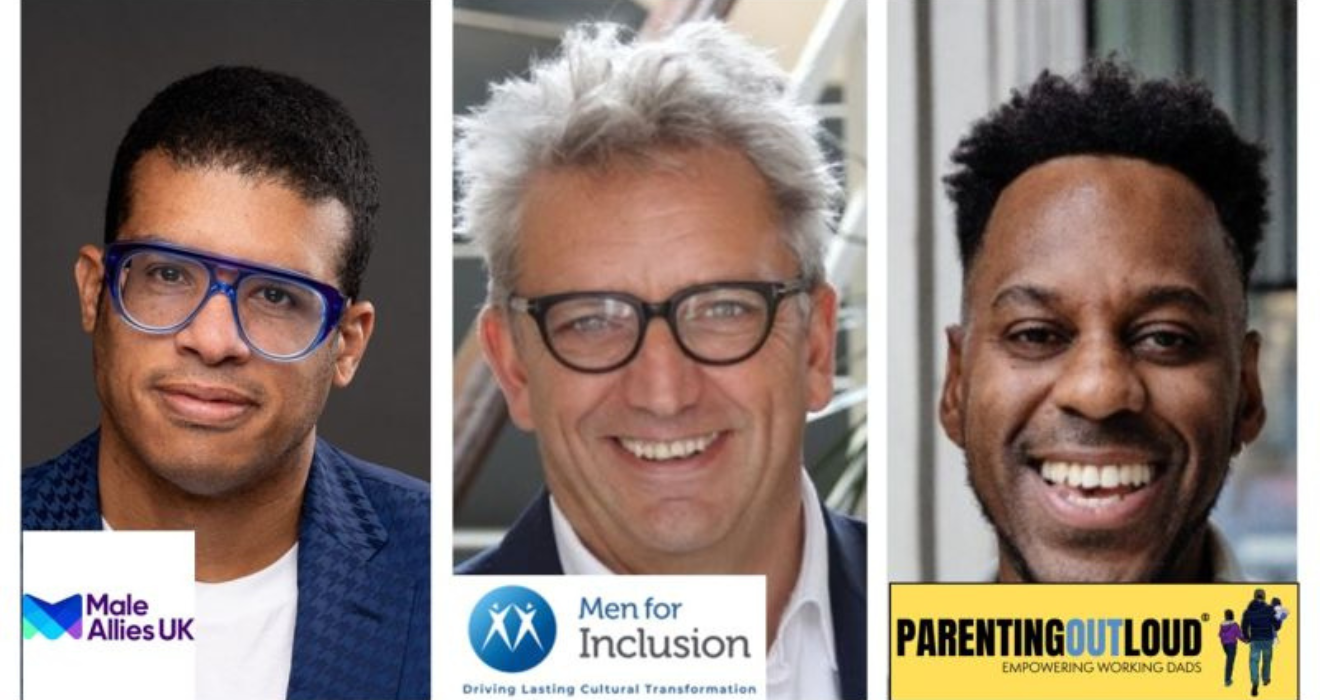
Three men. Three angles. One shared goal.
• Elliott Rae (Parenting Out Loud) – championing men, fatherhood and issues like paternity leave
• Lee Chambers (Male Allies) – supporting men to step up as allies, mentors, coaches and sponsors
• Me – Inclusive leadership: creating environments where underrepresented voices are genuinely heard and valued
Different lenses. Deeply connected work.
And we actively support and amplify each other often on LinkedIn.
Elliott has 40,424 followers
Lee has an incredible 70,730 followers
I have a comparatively modest 12,532 followers
Over the past year, my posts alone have reached over 1 million views, with close to 13,000 likes and reposts (engagement).
Sounds great, right?
Here’s the issue.
When I analyse engagement on my posts many of which are explicitly about inclusive leadership (and therefore largely aimed at men in leadership roles) – only around 20% of engagement comes from men.
Lee sees roughly the same.
Elliott’s is slightly higher, but still predominantly women.
So what’s really going on?
• Do male leaders disengage from content about becoming better, more inclusive leaders?
• Do men avoid posts about paternity, caregiving and making work better for men?
• Do men switch off when the conversation turns to supporting underrepresented groups?
Or…
👉 Is the LinkedIn algorithm disproportionately pushing this content towards women and away from men?
Because if the people with the greatest power to create change and with loads to gain aren’t seeing or engaging with this content, then we don’t just have an engagement problem.
We have a visibility problem.
And awareness without the right audience doesn’t lead to action.
I don’t have the answer yet.
But I do think this is a conversation we need to have especially if we’re serious about engaging men, not just spectators.
I’d genuinely welcome thoughts particularly from men in leadership on what you think is happening here.