From Visibility to Belonging: What Pride History Month Teaches Leaders About Inclusion
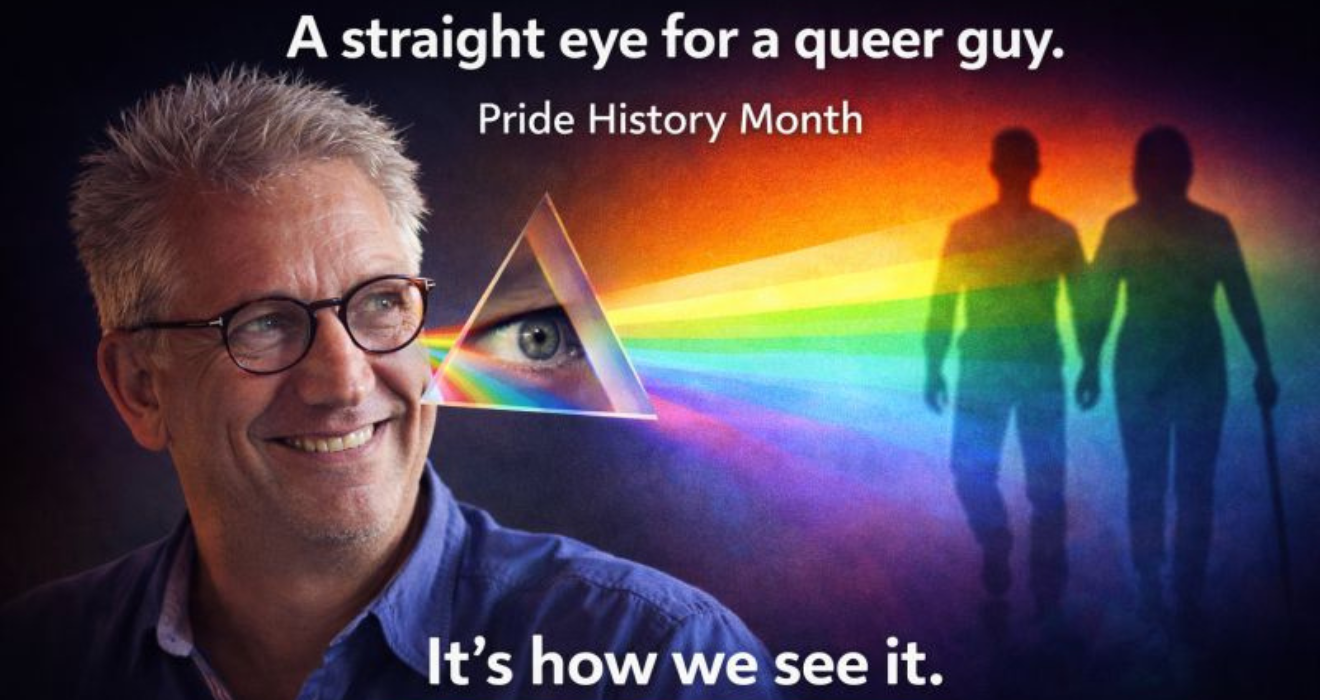
I’m speaking at an event to mark Pride History Month and it’s prompted me to reflect on my own history and proximity to the LGBT+ community.
I was born in 1960, seven years before the Sexual Offences Act legalised homosexual acts between men in England. I was in my twenties before those same rights applied in Scotland and Northern Ireland. I was 40 when the age of consent was finally equalised and 54 before same-sex marriage became legal in most parts of the UK.
I didn’t meet an openly gay person until I was in my mid-twenties. I often wonder how many of my friends and schoolmates were gay and what the cost was to them and to society, of having to hide who they were.
The AIDS epidemic reached its height around the same time. It was horrific and devastating and yet it also forced visibility. The gay and lesbian community could no longer be ignored. What had been hidden was suddenly, painfully visible.
I spent a large part of my life in Brighton and over time I’ve come to love and appreciate the colour, creativity and vibrancy the LGBT+ community brings to the city. It’s a place where visibility feels normal, even joyful and I’m happy to count some members of that community among my friends.
In the mid-1990s, a male colleague announced his intention to transition and shared his story with us. His “macho” exterior, he explained, had been a front, protection, from a world that didn’t yet feel safe. Through that honesty, we came to know, respect and value our new friend. More recently, a family member has been on a similar journey.
More recently still, leaders from a power network company asked me to spend a day with mostly male, trades colleagues exploring inclusion and how the view from the top differed from that on the ground.
The room was defensive at first. They were adamant they were inclusive.
To prove it, they proudly explained how they welcomed people who were “different” into their group by giving them nicknames. The gay guy was called Sweet Cheeks.
They believed this showed progress and inclusion. And in a way, it did, they were at least seeing difference.
But seeing difference isn’t the same as seeing the person.
One of the core messages in our work is that we must See, Hear and Value people from under-represented groups. The gay colleague was only being seen for his sexuality not for his skills, his experience, or his ideas. When someone is reduced to a label, they are not truly seen. And when they are not truly seen, they are less likely to be heard or valued.
For much of my life, the LGBT+ community was unseen.
Now it is visible.
But what matters most is not that we see it’s how we see, how we hear and how we value.