
What Sport Can Teach Us About Inclusive Leadership in the Workplace
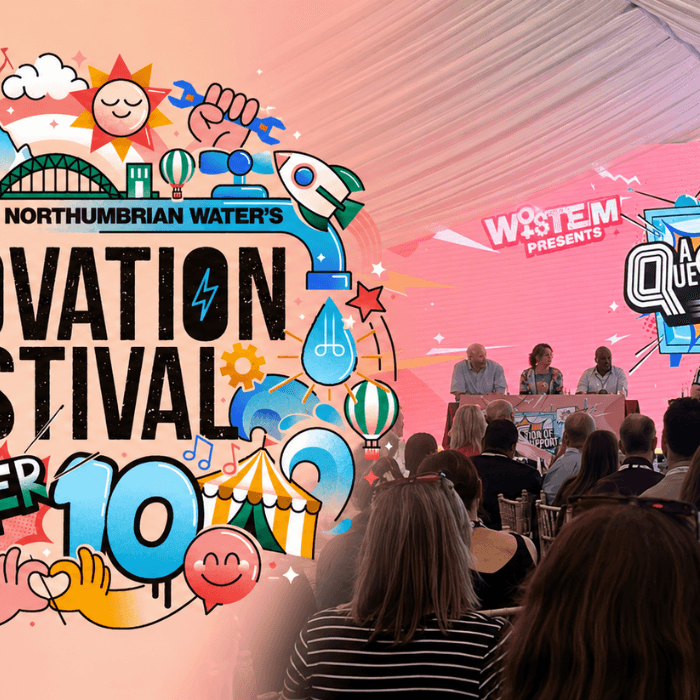
Just returned from a great evening at innovationfestival26 and the WiSTEM event ‘A Question Of Support’. I joined a great panel including Alex Knight MBE CEng FIMechE, Emma Wassell and William Bessa-Simons – CEng MIMechE MIGEM. We were refereed by the amazing Lauren Briggs and Chris Bolt of NWG (Northumbrian Water Group).
The theme – What can we learn about inclusive leadership from sport?
As we talked, I kept coming back to a sporting analogy.
Every sport has rules, teams, tactics and strategy.
The rules are there to make the game fair, safe and enjoyable. Everyone understands them. Everyone is expected to play by them.
But rules alone don’t win matches.
Managers do.
The best coaches know they need diversity of talent. They don’t recruit eleven goalkeepers or eleven strikers. They build teams with different strengths, different skills and different perspectives.
More importantly, they know their players.
They understand their strengths, weaknesses, ambitions and motivations. They know what’s happening in their lives. They create time to build trust, practise together and develop the tactics that will help every individual and the team perform at their best.
When one player leaves, they don’t expect the replacement to be a clone.
If Lionel Messi leaves and Erling Haaland arrives, the manager doesn’t ask Haaland to play like Messi. They change the tactics to get the best from the talent they now have.
Yet in many workplaces we do exactly the opposite.
The utilities sector knows it needs more women and greater diversity.
Bob retires. Florencia joins.
Too often, we expect Florencia to thrive in exactly the same culture that worked for Bob.
When barriers appear, we ask allies to support her. We send her on a leadership programme. We help her navigate the obstacles.
Those things absolutely have value.
But as women become 10%, 20% or 30% of the workforce, they are no longer enough.
The answer isn’t to keep changing the women.
The answer is to change the way we lead.
If people are excluded from informal networks, let’s change how we build relationships.
If voices are interrupted or overlooked, let’s change how we run meetings.
If opportunities aren’t distributed fairly, let’s change how we allocate work, recognition and development.
That’s inclusive leadership.
Our workplace policies are like the rules of the game – they create fairness and safety. But high-performing teams aren’t created by policies alone.
They are created by leaders who know their people, adapt their approach and create environments where everyone is seen, heard and valued.
Thank you to everyone involved in the panel for such an engaging discussion. It was another reminder that inclusion isn’t about asking people to fit into yesterday’s culture.
It’s about creating a culture where today’s diverse teams can all perform at their very best.